1. How long does a typical dental cleaning take?
A routine dental cleaning at Muldoon Dental Arts usually takes between 30 to 60 minutes, depending on the individual's oral health and the amount of plaque and tartar buildup.
2. Are dental cleanings painful?
Most dental cleanings are not painful, though some patients might experience mild discomfort or sensitivity, especially if there's significant buildup or gum inflammation. Our team ensures your comfort.
3. Can cleanings whiten my teeth?
While professional cleanings remove surface stains, making your teeth appear brighter, they do not change the natural shade of your teeth. For true whitening, consider options like take-home teeth whitening.
4. Is it okay to skip a cleaning if my teeth feel fine?
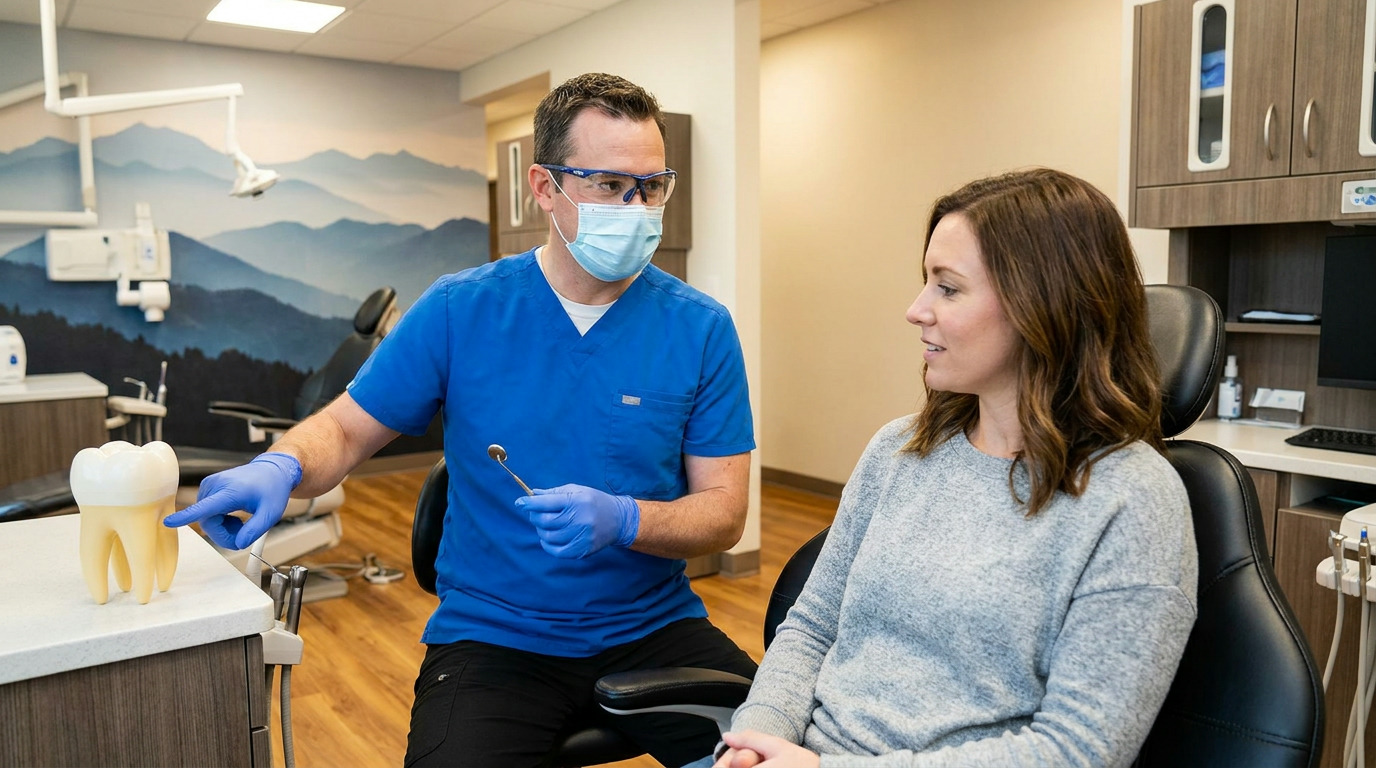
Dr. Chad Curtis advises against skipping cleanings, even if your teeth feel fine, because early dental problems often have no noticeable symptoms until they become more advanced.
5. What's the difference between a regular cleaning and a deep cleaning?
A regular cleaning removes plaque and tartar above the gum line, while a deep cleaning (scaling and root planing) addresses buildup below the gum line to treat gum disease.
6. Can dental cleanings help with sensitivity?
Yes, by removing plaque and tartar, cleanings can sometimes alleviate sensitivity caused by buildup that irritates the gums and exposed tooth surfaces.
7. What tools are used during a cleaning?
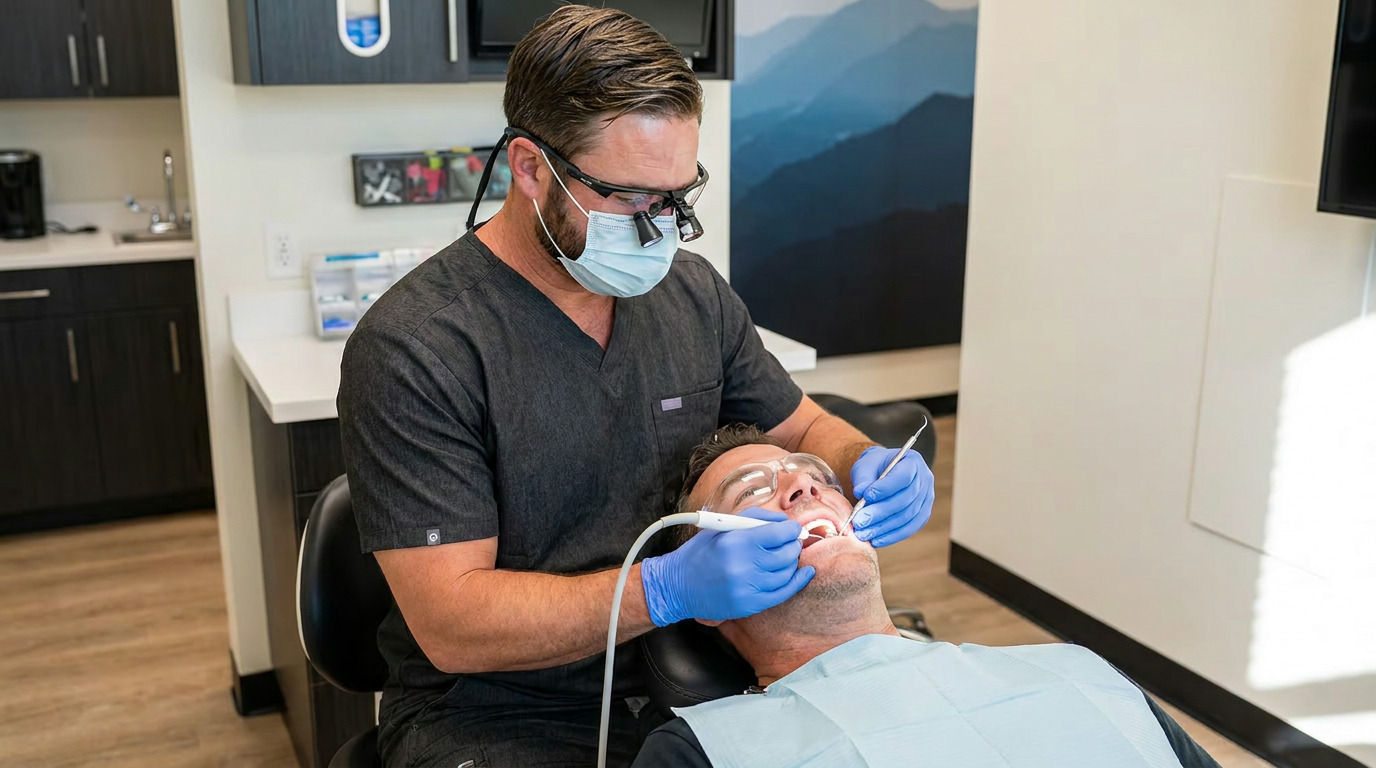
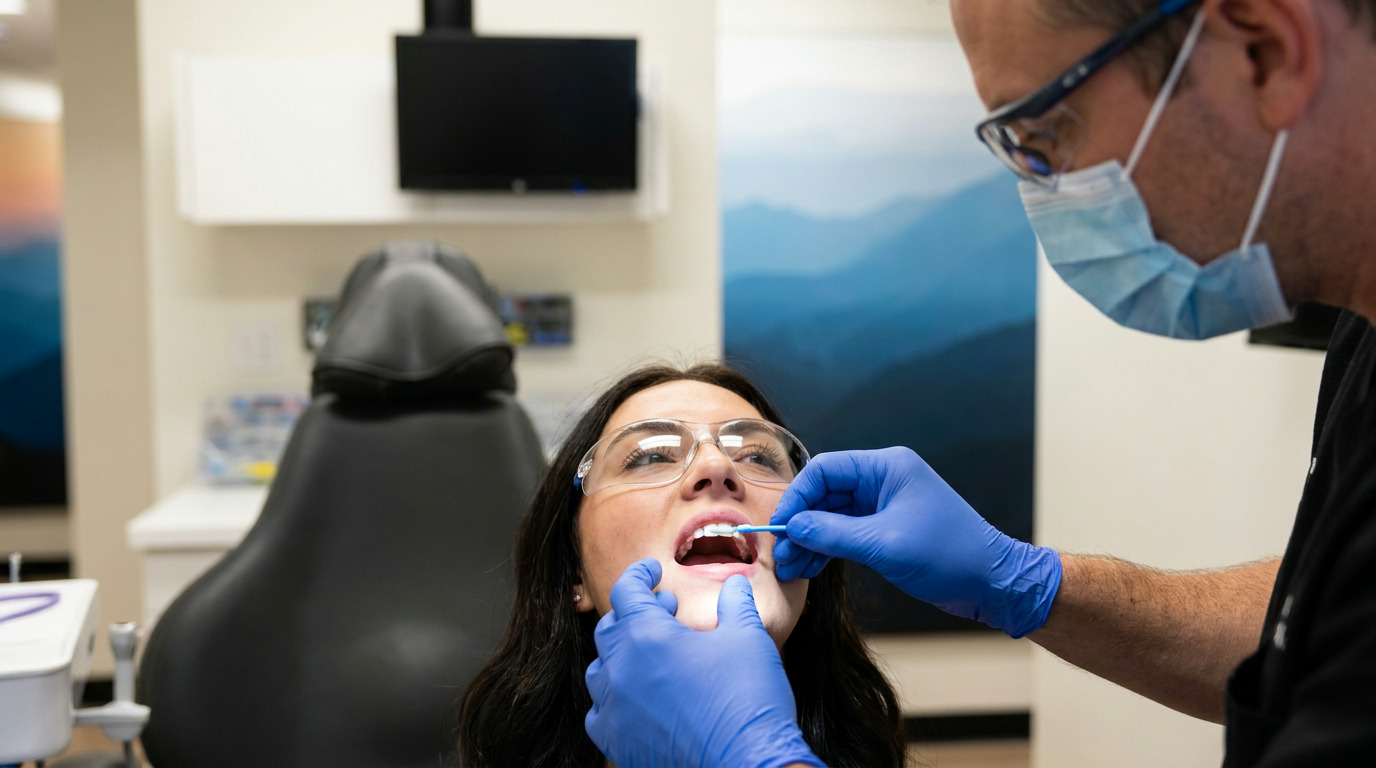
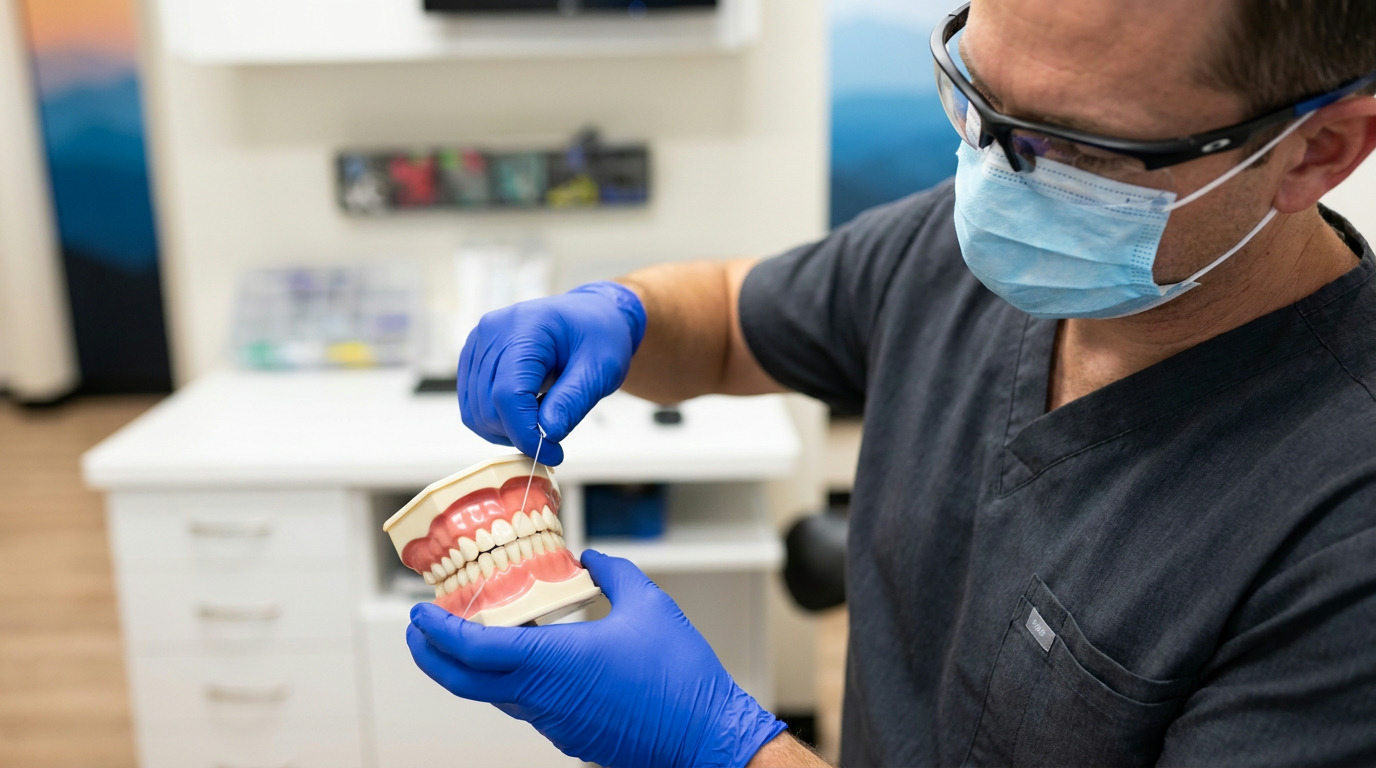
Hygienists use specialized tools like ultrasonic scalers, hand scalers, polishers, and floss to thoroughly clean your teeth and gum line.
8. Do I need X-rays at every cleaning appointment?
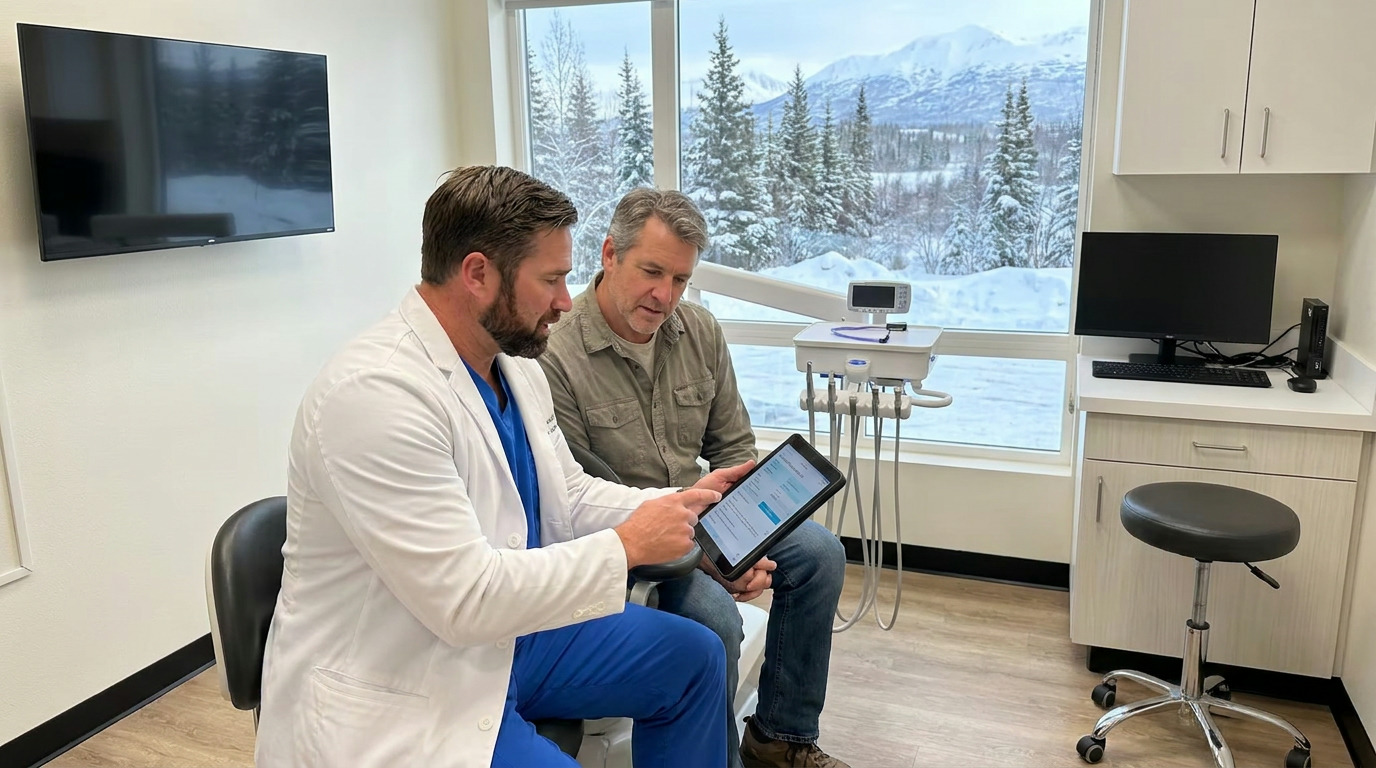
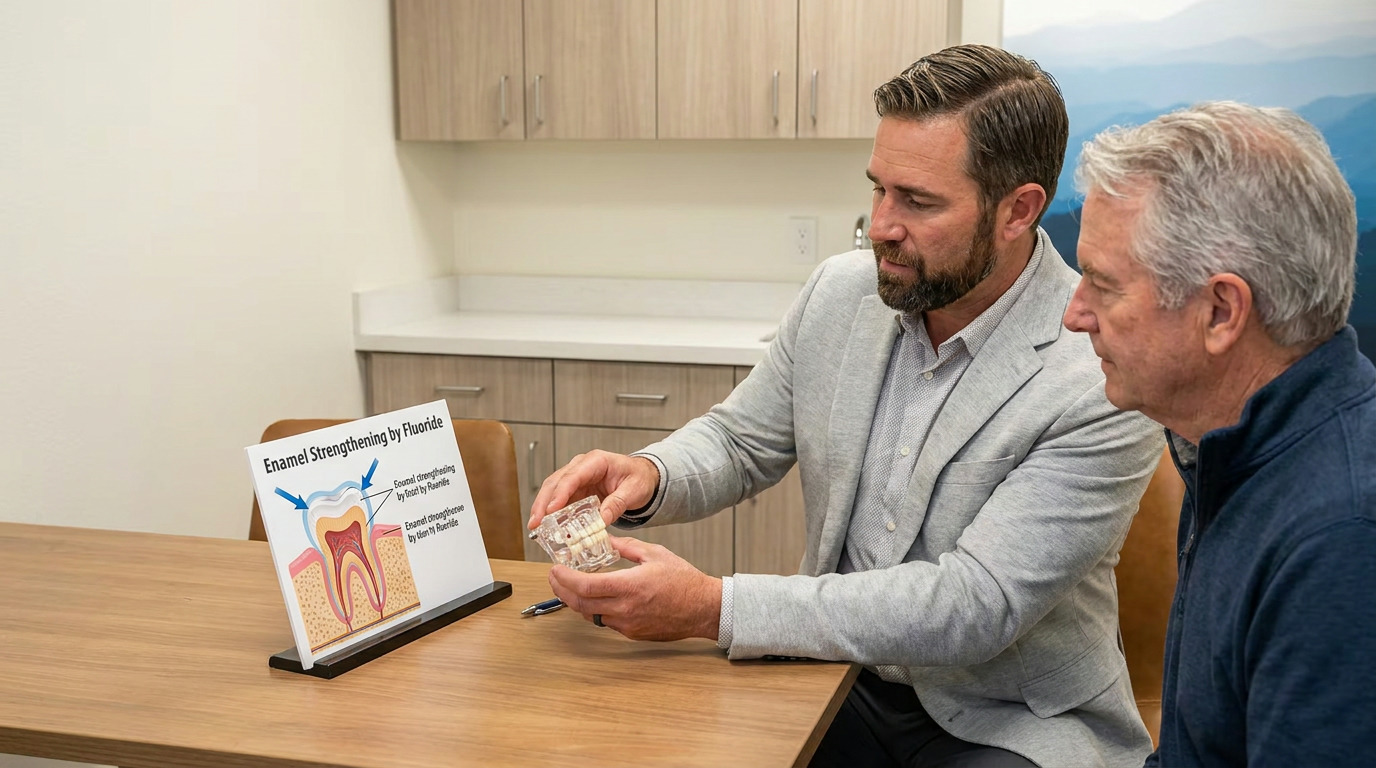
Not necessarily. Dr. Chad Curtis determines the frequency of X-rays based on your individual risk factors and oral health history, typically every 1-3 years.
9. Will my insurance cover dental cleanings?
Most dental insurance plans provide significant coverage for two routine dental cleanings per year as they are considered preventive care. Contact us for details on your specific plan.
10. What should I do after a dental cleaning?
After a cleaning, follow any specific instructions from Dr. Chad Curtis or the hygienist, and continue your excellent at-home oral hygiene routine, including brushing twice daily and daily flossing.